
Changes to Net Metering on the Way in Washington?
Changes to Net Metering on the Way in Washington
 As an increasing number of Washington’s 60+ utilities approach their minimum net metering requirement, power companies are reassessing how they compensate for extra solar energy sent back to the grid (exported solar). And finding the right value for this exported solar power has become a key issue. Setting compensation rates too low could reduce solar adoption incentives, while excessive rates might unfairly impact non-solar customers.
Some critics claim that solar users shift costs onto customers without solar and push to cut or remove net metering benefits. On the other side, supporters argue solar power benefits everyone by improving grid performance (resiliency) and cutting air pollution, resulting in more affordable and dependable power for everyone. To keep homeowners, businesses, and communities benefiting from local clean energy, a clear and science-backed way to assess the value of solar and storage systems is essential.
Washington Value of Solar and Storage Study
Recent utility proposals, including PacifiCorp’s proposal to significantly cut net metering compensation, highlight why strong and clear data is vital for developing effective policies and protecting consumer interests.
To address the question of what fair and equitable compensation is for exported solar, Washington’s legislature commissioned a Value of Solar and Storage (VOSS) Study. This study is being conducted by the Washington State Academy of Sciences, with input from the Washington Solar Energy Industries Association (WASEIA), Puget Sound Energy (PSE) and other utilities, and various technical experts. The study will conclude in October of 2026.
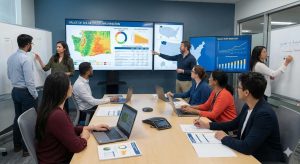 The VOSS Study looks to evaluate the full value of distributed solar and storage systems. Beyond power generation, it examines additional benefits including:
- Enhancing grid stability and resilience
- Reducing strain and costs on transmission infrastructure
- Cutting carbon emissions
- Creating jobs and helping Washington’s economy grow
The study’s results will guide utilities in determining solar customer compensation after net metering programs reach their statutory minimums. The VOSS study’s outcomes will impact long-term energy affordability, consumer trust, and Washington’s capacity to achieve its climate and clean energy targets.
Washington Isn’t Alone
Energy regulators across numerous states have initiated or completed processes to measure solar’s value—both for residents and the electrical grid. Currently, multiple states are working to quantify the specific “value of solar.” Their motivations include:
- Developing more precise and consistent exported solar compensation mechanisms.
- Providing accurate information for policymaking.
- Addressing solar opponents’ misleading claims about limited benefits.
- Countering utility’s efforts to diminish solar’s value and inflate its costs or assert “cost shifting” (in extreme cases).
The trend of evaluating solar’s value extends beyond traditionally solar-friendly states. Numerous state legislatures acknowledge the necessity of calculating their solar energy’s worth – from Minnesota to Maine (in 2015 and again in 2024), New York to Oregon.
 Is Net Metering Ending in Washington?
While evidence suggests that solar and energy storage deliver substantial benefits to grid infrastructure as a whole, the future of net metering as we know it remains uncertain. We anticipate that some utility providers may opt to reduce compensation rates for grid-exported solar power.
Don’t Lose Out on Net Metering Benefits
Given these potential changes, if you are thinking about going solar, the time to act is now. Schedule a free solar consultation with us, and if you’re concerned about power outages, request a quote for energy storage solutions as well. Making a move now might save you from regretting it later should net metering rules change.
I already have solar. What does this mean for me?
Traditionally, power companies have maintained initial compensation rates for existing solar customers who connected their systems to the grid, and considering the negative publicity they would face by altering rates for current customers, this approach is likely to remain consistent in the future for most if not all utilities.
To learn more about the study or to sign up for ongoing updates about the study’s progress, register at the WSAS website.